
Driveway Pavers That Make Every Arrival Feel Better
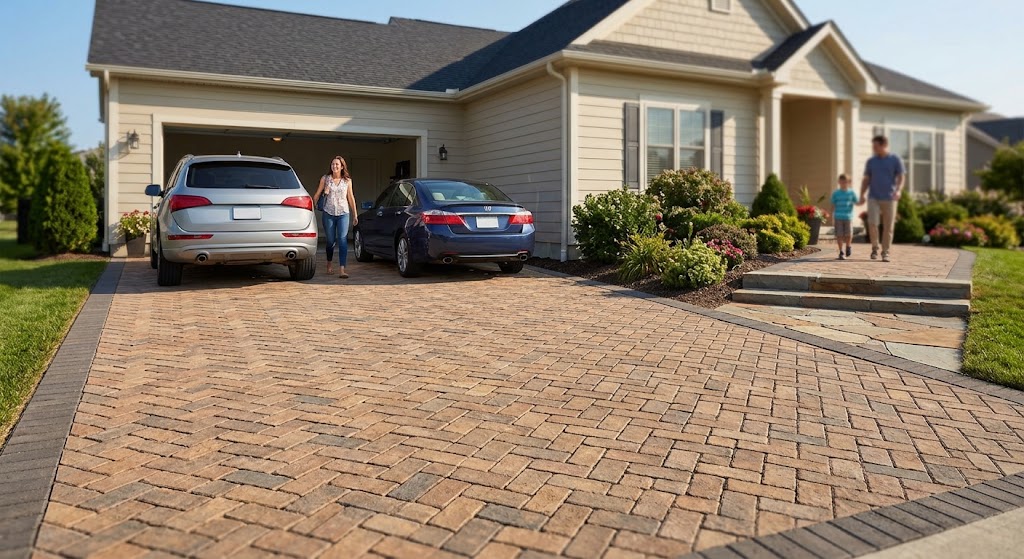
The driveway is the first surface most people notice when they pull up. Cracks, stains, and uneven spots can make an otherwise cared-for home feel tired. Driveway pavers give your front exterior a stronger foundation and a look that feels finished from the curb forward.
Why Driveway Pavers Make Such A Difference
A driveway carries more weight than people give it credit for. Cars roll across it every day, guests see it before they reach the front door, and rainwater has to move across it without pooling near your home. When the surface starts failing, those issues become hard to ignore.
Driveway pavers offer a practical answer because individual units work together across a prepared base. That construction helps the surface handle everyday movement more gracefully than a large, rigid slab. If a repair becomes necessary later, we can address a smaller section instead of removing the entire driveway.
Looks matter here, too. Driveway pavers can make an ordinary front yard look put together without feeling fussy. A subtle border, a classic running bond pattern, or a warm color blend can give the front of your home more presence. It is the kind of upgrade that makes coming home feel better after a long day.
Driveway Pavers And Curb Appeal
A good driveway should feel connected to the home rather than dropped in front of it. The colors should work with your roof, exterior paint, and front landscaping. Patterns should suit the property’s style without getting too busy.
For a traditional home, tumbled pavers and softer colors can bring in a familiar, welcoming feel. Contemporary homes often look great with cleaner lines and a more structured pattern. We look at the whole front exterior before recommending a layout, because a driveway is a major visual part of the property.
You can browse our project gallery to see how paver patterns and colors change the personality of real homes. Seeing finished work often helps homeowners spot the look they want faster than staring at samples in a catalog.
Even small design touches carry weight. A contrasting border can define the driveway edges and give the surface a sharper outline. A coordinated walkway can connect the curb to the entry with a more intentional feel.
The Base Beneath The Surface
The most important part of a paver driveway is usually invisible after the work is done. The base must be prepared with care, compacted properly, and shaped for drainage before any pavers are laid. Skipping those steps is like putting fresh paint over a cracked wall, it may look fine early on, but trouble catches up.
We begin by assessing the existing driveway and surrounding grade. Water needs a planned path away from the garage and house, because standing water can wear down surrounding areas over time. Then we prepare the base so it can support the weight of vehicles without shifting under pressure.
Driveway pavers rely on that groundwork to stay level and steady. The pavers themselves matter, but the support beneath them decides how the surface performs year after year. That is why professional installation matters more than quick surface fixes.
Materials That Fit Bay Area Homes
The right material depends on your home’s style, the traffic on the driveway, and the feel you want when guests pull in. Concrete pavers are popular because they offer dependable strength and plenty of color options. Natural stone can bring a more textured, organic character to the front of the property.
Texture also has a job to do. A driveway needs a surface that feels stable underfoot when people walk to the front door. The best option will balance appearance with the day-to-day use your home demands.
We carry out driveway pavers projects with the overall property in mind. That may mean matching an existing patio or planning a design that works with a future walkway. Our full range of hardscaping services can help bring those pieces together over time.
Patterns That Hold Their Own
Paver patterns do more than decorate the surface. They influence the way the driveway looks from the street and how the finished space relates to the architecture. A pattern can make a narrow driveway feel broader or give a large frontage more structure.
Popular layouts include herringbone, running bond, and basket weave designs. Herringbone is a strong option for driveways because its interlocking format handles vehicle traffic well. Running bond provides a clean, familiar look that suits many homes. Basket weave can add old-world charm without making the driveway feel overly formal.
Borders are another useful design tool. A darker edge can frame the driveway and help define the transition between pavers, planting beds, or lawn. This detail may seem small, but it can make the entire front space look more complete.
Drainage And Daily Use
Nobody wants to come home and find a puddle waiting by the garage. Drainage deserves careful attention when planning a new driveway, especially on properties with slopes or old surfaces that already hold water. Water that moves in the wrong direction can create ongoing headaches.
We study the grade before building driveway pavers, then create a plan for how water should travel across the finished surface. This can include proper slope, drainage solutions, or careful transitions where the driveway meets other hardscape features. Good drainage supports the driveway and helps protect the areas around it.
Daily use also shapes the design. Families with several vehicles may need a wider turning area or a layout that makes parking less awkward. A home with a steep approach may need special attention to transitions and traction. These details are not glamorous, but they make a difference every single day.
Replacing A Worn Concrete Driveway
Old concrete can start with a hairline crack, then slowly collect more stains, chips, and uneven sections. Many homeowners live with it for years because replacing a driveway sounds like a massive ordeal. Still, the right upgrade can change the whole front exterior.
Driveway pavers are a smart replacement option because they offer a fresh look and a modular surface. If a utility repair or isolated settling issue happens in the future, individual pavers can be lifted and reset. That repairability gives homeowners more flexibility than a large poured surface.
The removal process depends on the existing driveway and site conditions. We inspect the property, talk through your goals, and explain what the work will involve before construction begins. Nobody enjoys surprises in a construction project, especially the expensive kind.
Planning The Investment
The cost of driveway pavers depends on the driveway size, selected material, site access, removal needs, and design details. A basic layout will have a different price point than a curved driveway with borders and connected walkways. The best plan is one that fits the property and makes sense for your budget.
We work with homeowners from the first estimate through the final walkthrough. That early planning stage gives you a chance to compare options and decide where you want to invest. You do not have to have every answer before the conversation starts.
For an early price range, our instant price estimator can help you begin with practical numbers. A site visit and custom proposal then provide a clearer picture based on your actual driveway.
Caring For Your New Surface
Paver driveways are built for regular life, but a little upkeep goes a long way. Sweep away leaves and loose debris so moisture does not sit on the surface for long periods. A gentle rinse can freshen the driveway when dirt begins to dull the color.
Joint sand may need attention over time, especially after heavy weather or regular cleaning. This material helps lock the pavers together and supports the overall pattern. If you notice low spots, shifting, or loss of sand, it is smart to have the issue assessed early.
Most homeowners find that routine care is manageable. Driveway pavers are designed to be used, not treated like a museum floor. Keep an eye on the surface, handle small concerns when they appear, and the driveway should continue looking sharp.
Frequently Asked Questions
A professionally installed paver driveway can serve your home for many years with regular care. Its lifespan depends on base preparation, drainage, material quality, and the traffic it handles. The good news is that individual pavers can often be repaired or replaced if damage happens.
Yes, driveway pavers are designed to handle vehicle traffic when installed over a properly prepared base. The paver pattern, base depth, and edge restraint all matter during construction. We plan the installation around the way your household uses the driveway.
In some situations, an overlay may be possible, but the existing concrete must be assessed first. Cracks, poor drainage, or movement beneath the slab can affect the result. We inspect the surface and recommend the approach that gives your project the strongest start.
Routine maintenance is straightforward and usually includes sweeping, rinsing, and keeping the joints filled with appropriate sand. You may also want periodic professional cleaning or sealing based on the paver material. If an area settles or gets damaged, it can often be repaired without rebuilding everything.
A new driveway can improve first impressions and make the front exterior feel more complete. Buyers often respond well to outdoor upgrades that appear durable and thoughtfully designed. The biggest return is often the daily pride homeowners feel when they pull in.
The schedule depends on the driveway size, demolition requirements, weather, access, and design details. During your consultation, we provide a project schedule based on the scope of your work. We also complete a final walkthrough when the job is finished to review the results together.
Give Your Front Yard A Better Welcome
Ready to replace that tired driveway with something built to look good and work hard? Contact Kiwi Pavers today to talk through your driveway project and schedule an estimate.