
Outdoor Rooms With Pavers Turn Plain Yards Into Living Spaces
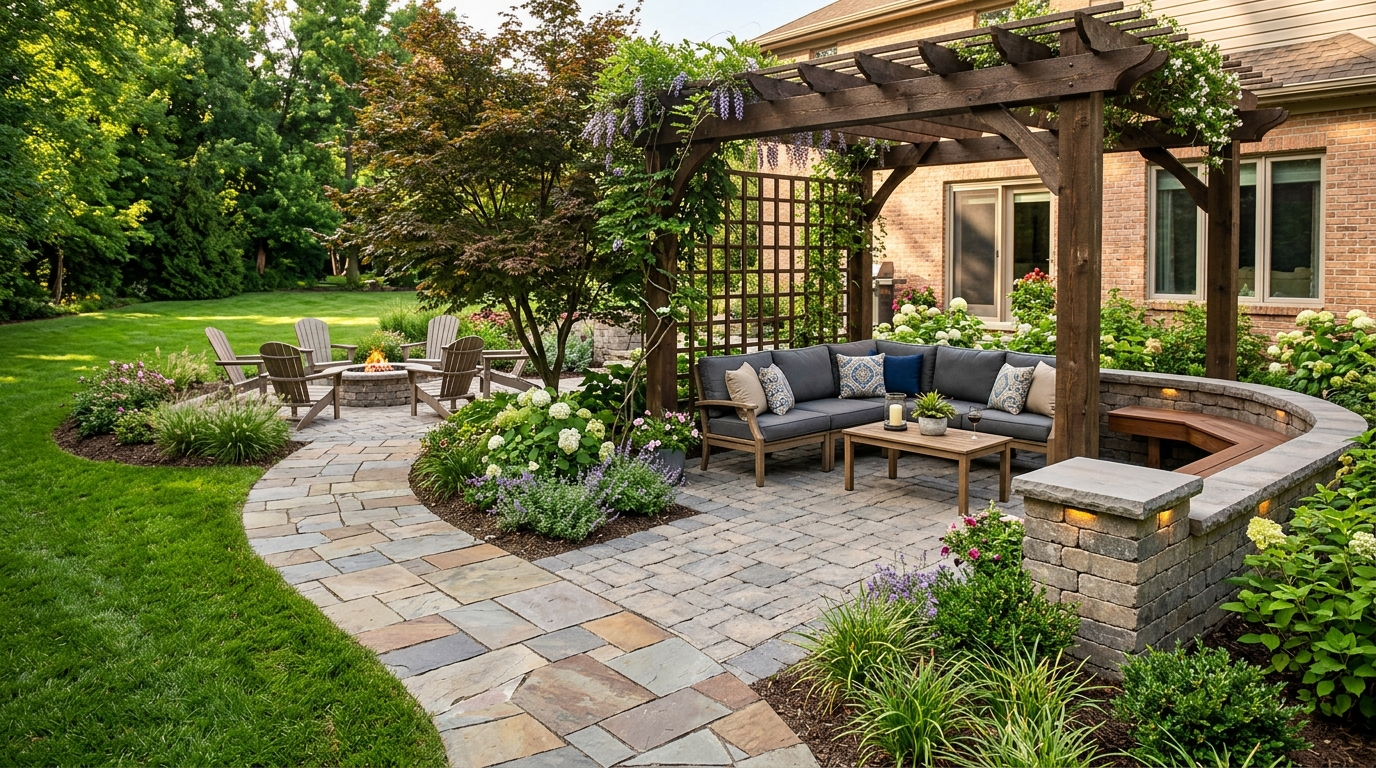
A plain yard can feel like a blank page that never gets written on. Outdoor rooms with pavers give that space a purpose, creating places for meals, quiet evenings, and family time. At Kiwi Pavers, we help East Bay homeowners shape outdoor areas that feel welcoming from the first step outside.
Outdoor Rooms With Pavers Create A Better Backyard Flow
Most yards already have the room people need, though the layout doesn’t always make that obvious. A wide stretch of grass, an aging concrete pad, or a steep corner can leave everyone gathered in one cramped spot. Outdoor rooms with pavers break the yard into useful spaces without making it feel boxed in.
Think about how your family spends time outdoors on a typical Saturday. Someone might be grilling while kids run through the yard, and guests are looking for a comfortable place to sit. When every activity competes for one small patio, the backyard can feel more like a waiting room than a retreat.
Pavers give each activity its own footing while keeping the whole property connected. A dining area can sit close to the house for easy trips from the kitchen. A lounge area can rest farther away, where the noise from the street fades into the background. A garden nook can occupy a sunny edge of the yard without becoming a muddy path after watering day.
Outdoor rooms with pavers also work well because they do not require tall walls or bulky structures. A shift in paver pattern or a low border can signal that you’ve entered a different space. It feels natural, like moving from one room to another inside your home.
Start With How You Use The Yard
Before we sketch a layout, we talk about how the yard fits into everyday life. A family that hosts birthday dinners needs a different setup than someone who wants a calm spot for morning coffee. The best designs begin with real routines instead of a photo saved from social media.
Walk through the backyard and pay attention to where people already gather. You may notice that everyone crowds near the back door because the current patio is too small. You might also see a corner that stays unused because it feels disconnected from the rest of the property.
Outdoor rooms with pavers can turn those overlooked areas into places people enjoy using. One homeowner might create a small fire pit lounge beneath a mature tree. Another could install a paver dining terrace near the kitchen, then connect it to a garden bench through a curved path.
We also look at sunlight during different parts of the day. Contra Costa afternoons can bring strong heat, especially when a yard faces west. A dining room that gets direct sun at six o’clock may need a pergola, shade cover, or a new location.
Build A Dining Zone That Feels Easy To Use
An outdoor dining area should make serving food feel simple, not like a balancing act. Place it near the kitchen door when possible, since nobody enjoys carrying a tray across uneven grass. A paver surface creates a stable foundation for chairs, tables, and rolling grills.
Outdoor rooms with pavers make it easier to give the dining zone its own personality. A herringbone pattern can bring a little energy beneath a rectangular table. A contrasting soldier course around the edge gives the area a finished frame without adding visual clutter.
Leave enough room around furniture so guests can pull back chairs without bumping into planters. A narrow patio often looks fine in a photo, but dinner becomes awkward fast when people have nowhere to move. We plan space for circulation before the furniture arrives, not after.
For a more relaxed setup, add a short seat wall near the patio edge. It provides extra seating during bigger gatherings and helps shape the boundary of the room. On quieter evenings, it becomes a spot to sit with a cold drink while the grill does its thing.
You can explore finished dining patios and other layout ideas in our project gallery. Looking at real yards often helps homeowners see what fits their own space.
Give The Lounge Area A Reason To Linger
A lounge zone works best when it feels slightly removed from the busy parts of the yard. It does not need to be far away, though a few paver steps or a curved walkway can make it feel like a destination. That little sense of separation changes how people use the space.
Outdoor rooms with pavers can define a lounge area through texture and shape. A softer blend of warm-toned pavers works nicely around deep seating or a fire feature. A circular paver field can create a cozy gathering point, even in a rectangular backyard.
Furniture placement matters more than many homeowners expect. Face chairs toward each other so conversation does not feel like a board meeting. Keep the seating far enough from fire features to stay comfortable, while leaving walking space around the perimeter.
A low retaining wall can also double as casual seating around the lounge zone. On a sloped East Bay property, that wall may help manage a grade change while adding structure. It’s a smart use of space, especially when the yard doesn’t have many extra feet to spare.
Outdoor rooms with pavers offer enough durability for busy gatherings, muddy shoes, and the occasional dropped marshmallow. They are built for real life, which means the space can be enjoyed without everyone tiptoeing around it.
Make Room For Play Or Gardening
A backyard does not need to revolve around entertaining adults. Families often need a place where kids can play without tearing through the dining area. Gardeners also need surfaces that stay usable after watering, pruning, and hauling pots around.
A paver path can lead from the main patio to a raised garden bed or potting station. It keeps shoes out of loose soil and gives the garden area a more polished look. The path can be wide enough for a wheelbarrow, which saves plenty of frustration later.
For play areas, pavers can frame the zone instead of covering every inch of it. A defined paver edge around artificial turf or lawn helps separate play space from gathering areas. It also makes the yard feel organized when basketballs and patio cushions are scattered around after a long afternoon.
Outdoor rooms with pavers help every part of the property feel connected, even when each area serves a different purpose. The key is giving people a route from one zone to the next. Nobody should have to cut across a planting bed or squeeze behind furniture to get there.
Use Patterns And Borders With Purpose
Patterns and borders can guide the eye through a yard without shouting for attention. A field of large-format pavers may suit the main patio, while a smaller accent pattern marks the transition into a lounge area. The difference can be subtle, though it still gives each space an identity.
Outdoor rooms with pavers often look strongest when the materials repeat in thoughtful ways. Use the same main paver color throughout the property, then introduce accent tones at borders or steps. That approach helps separate each room while keeping the design from feeling pieced together.
Borders also have a practical job. They can outline patios, reinforce curves, or create a visual edge near garden beds. On a smaller lot, a dark border around lighter pavers can make the central area feel more defined without making it feel crowded.
Avoid loading every space with a different pattern. Too many competing designs can make a yard feel busy, especially when furniture and plants enter the picture. The pavers should support the landscape, not wrestle with it for attention.
Work With Slopes And Small Lots
East Bay yards are rarely perfect rectangles with flat, open ground. Many homes in Contra Costa County have narrow side yards, uneven grades, or backyard corners that drop away from the house. Those features can shape a great design when they are handled with care.
Outdoor rooms with pavers can use modest elevation changes to establish separate zones. A raised dining patio can sit near the house, while two or three broad steps lead down to a lower lounge. The levels make the yard feel layered without requiring a huge footprint.
On compact properties, each square foot has to earn its keep. Built-in seating can replace several bulky chairs, while a curved paver path can guide movement without taking over the lawn. A small patio can still feel generous when furniture is scaled to the space.
Drainage matters on sloped lots, too. Water needs a planned route away from the house and across the paved areas. We account for slope, base preparation, and paver placement from the beginning, because a beautiful patio should not become a puddle collector after a winter storm.
Our services cover patio construction, walkways, driveways, retaining walls, and other outdoor features that can bring a layered yard together.
Plan For Heat And Entertaining
Summer entertaining in the East Bay asks a lot from an outdoor space. Afternoon sun can make exposed surfaces uncomfortable, while cooler evenings bring everyone closer to a fire pit or heated seating area. A good layout gives people options throughout the day.
Outdoor rooms with pavers can pair well with shade structures, trees, and outdoor lighting. Place the dining area where it receives protection during the hottest part of the day. Put the lounge where evening breezes and softer light make it more inviting.
Lighting should follow how people move through the yard. Path lights help guests find their way without turning the backyard into a runway. Soft lights near steps, seating walls, and garden borders also help the space stay usable after sunset.
Before making final decisions, use our instant price estimator to begin outlining the scope of your project. It can help you consider priorities before the first design conversation.
Frequently Asked Questions
Pavers can separate spaces through shape, color, pattern changes, and border details. A different layout beneath a dining table makes that area feel distinct from a nearby lounge.
A small backyard can hold more than one outdoor room with careful planning. Built-in seating, narrow pathways, and well-sized furniture help every area stay comfortable.
Pavers work well on sloped yards when the base and drainage are properly planned. Retaining walls and broad steps can support grade changes while creating useful levels.
Lighter paver shades can feel more comfortable in direct sun than dark surfaces. We can help match colors with your home while considering how much heat the area receives.
A main walkway should allow two people to pass comfortably without brushing shoulders. Narrower paths can work for garden access, though they still need enough width for regular use.
Many homeowners start with a patio, then expand the design over time. Planning the long-term layout first helps future additions feel like part of the original yard.
Make Your Backyard Work Harder
Ready to create outdoor rooms with pavers that fit the way you live? Contact Kiwi Pavers to start planning a yard built for gathering, relaxing, and enjoying every season.