
Best Paver Installation Tips for Homeowners That Transform Your Outdoor Space
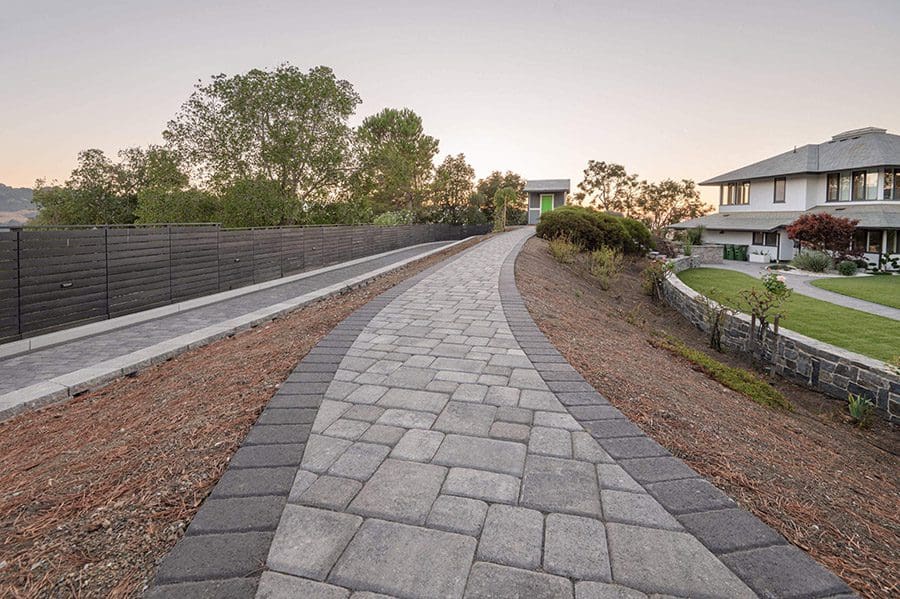
Creating a backyard you can truly enjoy starts with the right pavers. The right installation can make a patio or driveway last decades while elevating the look of your home. We’ve worked with countless homeowners and learned which methods save time, money, and frustration. These best paver installation tips for homeowners will guide you through the process with confidence.
Best Paver Installation Tips for Homeowners
The foundation of any successful paver project is preparation. Before laying a single stone, inspect the area for drainage issues, slope, and soil stability. Uneven ground leads to shifting pavers over time, so spend extra time compacting the base and ensuring it slopes slightly away from your home. We often recommend using a combination of crushed stone and sand to create a firm bed that holds pavers securely.
Another tip for homeowners is to stagger joints in patterns. Straight-line layouts are tempting but prone to stress cracks and shifting. Herringbone or basketweave patterns distribute weight more evenly and give a dynamic look that feels more crafted than random placement. Taking the time to measure and dry-fit sections first saves headaches later.
Choosing materials with longevity in mind
Homeowners often underestimate how much the type of paver affects maintenance and durability. Concrete pavers are a classic choice, offering versatility and color options, but they perform best when the installation follows precise guidelines for joint spacing and compaction. Natural stone adds character and unique texture, but each piece requires careful alignment to prevent gaps or uneven surfaces.
We suggest homeowners consider both climate and traffic. Areas with heavy rainfall or freeze-thaw cycles need stones that resist water penetration and frost damage. Driveways, walkways, and patios see different levels of wear, so mixing thicker pavers in high-traffic zones with thinner ones elsewhere keeps costs reasonable without compromising strength.
Base preparation and soil considerations
A stable base is non-negotiable for a smooth, long-lasting surface. Start by excavating to a depth appropriate for the paver type and intended use. Typically, patios require 4 to 6 inches of base material, while driveways need 6 to 8 inches. We recommend compacting each layer and checking for level frequently.
For homeowners tackling the project themselves, rent a plate compactor or hire a professional for a few hours to ensure consistent compression. Adding a layer of polymeric sand between pavers locks them in place and keeps weeds at bay. Skipping these steps may save time now but leads to uneven surfaces and costly repairs later.
Patterns and layout tips
Paver arrangement isn’t just about aesthetics; it affects durability. Patterns like herringbone, circular, or running bond distribute forces and resist displacement. Start at a solid reference line or edge and work outward, keeping lines straight with string guides.
Corners and curves deserve attention. Cutting pavers to fit curves ensures a clean edge, and homeowners often benefit from using a wet saw to prevent chips. Mistakes here are visible immediately, so slow and precise work pays off.
Edge restraints and finishing touches
Securing edges is one of the best paver installation tips for homeowners that often gets overlooked. Edge restraints hold the pavers in place, preventing the classic “paver spread” that ruins walkways or patios over time. We use plastic or metal restraints depending on the project scale.
After installation, sweeping sand into the joints and lightly compacting the surface ensures stability. A sealant can protect against stains and enhance colors, though it requires reapplication every few years. Homeowners who take this extra step see their outdoor spaces maintain a fresh look far longer.
Maintenance and care for longevity
Even the best-installed pavers need attention to keep looking their best. Regular sweeping prevents debris buildup, while occasional power washing removes stubborn stains. Inspect joints for sand erosion and refill as needed. Small adjustments now prevent the need for expensive repairs later.
Homeowners should also consider integrating drainage channels for larger areas. Improper water runoff can undermine a paver base, causing dips or uneven sections. By planning drainage during installation, future issues can be minimized.
Project Inspiration and Next Steps
Seeing projects in real life helps homeowners visualize their own spaces. You can explore our project gallery for patios, driveways, and walkways completed with attention to detail. Each installation demonstrates how thoughtful preparation, careful layout, and quality materials create spaces you want to spend time in.
If you’re curious about the costs, our instant price estimator gives a realistic range based on your property’s size and materials. Homeowners often find this step helps clarify budgets before the first stone is laid.
Services to Help Every Step
For homeowners ready to transform their outdoor area, we offer a range of services from full installation to repair and maintenance. Our team guides you through material selection, pattern choices, and finishing details, ensuring a seamless process. We handle everything from site preparation to final cleanup.
If you want personalized advice or to discuss a project, our contact page is the fastest way to connect. We love working with homeowners to turn their backyard dreams into reality.
Transform Your Home with Kiwi Pavers
Your outdoor space deserves more than ordinary. We help homeowners achieve durable, beautiful paver installations that stand the test of time. Reach out to Kiwi Pavers today and start building the backyard you’ll love for years to come.
Upgrade Your Outdoor Living
We’re ready to help you create patios, driveways, and walkways that combine style with lasting strength. Contact Kiwi Pavers now to schedule your consultation.