
Artificial Turf vs. Natural Grass Cost, Maintenance & Longevity
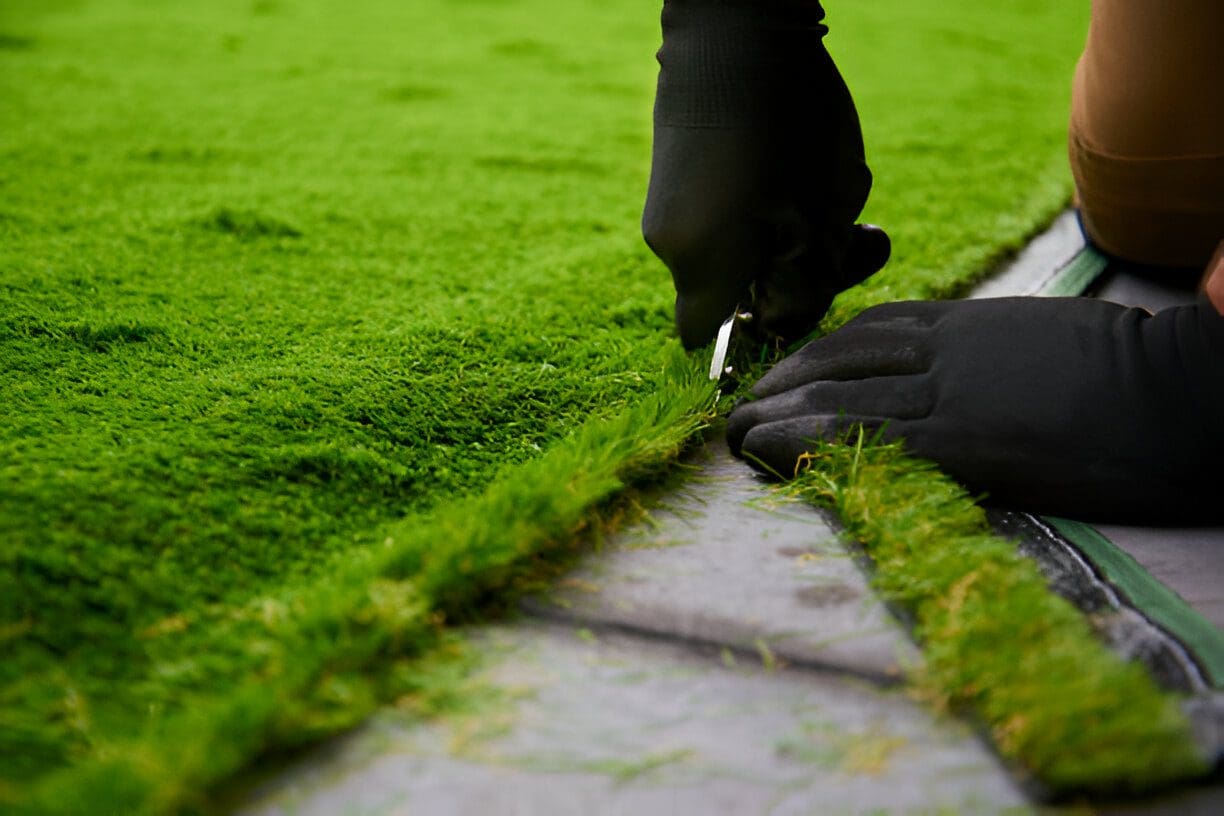
There’s a quiet satisfaction that comes from seeing a perfectly lush lawn, but what you don’t see is the effort (and money) it takes to keep it that way. Homeowners and business owners across Florida keep asking the same question: artificial turf vs. natural grass, which one wins in the long run? We’ve worked with both, and the difference goes well beyond the surface. Here’s what really matters when you factor in cost, care, and how long each option lasts.
Artificial Turf vs. Natural Grass Cost
The first thing most people notice about artificial turf vs. natural grass is the initial investment. Artificial turf usually costs more to install, sometimes two or three times more than sod. But it’s not as simple as the sticker price. Natural grass keeps adding up, month after month, year after year. Mowing, watering, fertilizing, reseeding, it all piles on like small change that eventually fills a jar.
Artificial turf, on the other hand, is more like buying a great appliance. You pay more upfront, but it pays you back in time saved and lower maintenance costs. There are no sprinkler repairs, no overgrown weekends spent mowing, and no fertilizer runs to the store. Many of our clients realize that within five years, the numbers begin to even out, especially here in the hot Florida climate where watering bills aren’t cheap.
Still, there are soft costs that go beyond money. When comparing artificial turf vs. natural grass, you have to think about time. That’s the one resource none of us get back. Spending hours each week on upkeep can get tiring fast, especially when artificial turf can look perfectly maintained every single day.
If you’re thinking about improving your curb appeal or upgrading your commercial property, take a look at our project gallery to see how artificial turf blends seamlessly with custom paver installations. It’s an investment that looks refined and keeps working for you year-round.
Artificial Turf vs. Natural Grass Maintenance
Maintenance is where the real separation begins. Artificial turf vs. natural grass might seem like a debate about looks, but in everyday life, it’s mostly about effort.
Natural grass demands constant care: mowing, edging, watering, fertilizing, and seasonal treatments. Too much sun and you’re fighting brown patches. Too much rain and you’re dealing with mud. Even with an irrigation system and careful management, grass lawns have personalities, they grow unevenly, attract pests, and suffer from drought stress.
Artificial turf simplifies life. You rinse it once in a while, brush it now and then, and that’s it. It doesn’t care about the weather or foot traffic. Families with kids or pets often notice how easy it feels to maintain; no muddy paws, no torn-up patches after a backyard soccer game.
Of course, it’s not maintenance-free. Every few months, it helps to hose off debris or blow away fallen leaves. But when compared to trimming, watering, and fertilizing natural grass, it’s almost effortless. We’ve seen homeowners reclaim their weekends and even save thousands of gallons of water a year. You can read about similar landscape services we offer by visiting our services page.
Artificial Turf vs. Natural Grass Longevity
When it comes to longevity, artificial turf vs. natural grass tells a story of endurance. Natural grass constantly renews itself, but only when properly cared for. Without that care, bare spots appear quickly, and over time, soil compaction or weed invasion can take over. You might find yourself starting from scratch every few years.
Artificial turf has a different kind of lifespan. High-quality turf can last 15 to 20 years if it’s installed properly and cleaned occasionally. Think of it as a smooth green carpet built to handle Florida’s heat, UV rays, and rainstorms. The fibers are engineered to resist fading and bending, so even under full sun, your lawn looks fresh and evenly colored.
There’s also the matter of drainage. Older turf materials sometimes had pooling problems, but new infill and design standards have solved that. After a heavy rain, water drains through and disappears within minutes. That’s a quiet convenience you begin to appreciate after the first summer storm.
The longevity of artificial turf gives it lasting value that’s easy to overlook in the beginning. Natural grass may start out cheaper, but it demands your labor, your water, and eventually another round of replacement. With artificial turf, what you see is what you keep for years.
Artificial Turf vs. Natural Grass Environmental Impact
When people talk about artificial turf vs. natural grass, the conversation almost always turns to environmental effects. Natural lawns breathe life into the ecosystem, producing oxygen and cooling the air slightly. But maintaining those lawns consumes enormous water resources, not to mention the fertilizers and pesticides that can seep into the ground and nearby waterways.
Artificial turf eliminates the need for watering and chemical treatments, which makes a noticeable difference in places prone to drought or runoff issues. Modern manufacturers also make turf from recyclable materials and use lead-free colorants, bringing it closer to eco-friendly standards than the older versions of the past.
For homeowners who care about sustainability, the balance comes down to water usage and maintenance materials. While natural grass supports local biodiversity, artificial turf dramatically reduces water waste and chemical dependency. The greener choice depends on how you define “green”, through the lens of nature or long-term conservation.
Artificial Turf vs. Natural Grass Comfort and Appearance
The feel of artificial turf vs. natural grass can surprise anyone who hasn’t stepped on new-generation turf. The stiff, shiny plastic look that existed years ago has been replaced with realistic fibers that mimic real blades. Some even feature mixed tones of green and brown for that natural, sun-kissed look.
Still, nothing feels quite like genuine grass under bare feet. Natural grass is soft and cool, while turf can warm up in direct sunlight. Most homeowners find this manageable with shaded areas or by misting the turf briefly on hot afternoons. The payoff is consistent color and even texture, no dead spots, no discoloration from pets or heavy furniture.
We’ve seen families fall in love with the year-round perfection of their new turf lawns, especially after realizing how much easier it is to host gatherings or outdoor parties without worrying about muddy footprints. For an overview of design possibilities that blend patios and lawns beautifully, try exploring our project gallery.
Artificial Turf vs. Natural Grass Property Value
Curb appeal plays a strong role in property value, and artificial turf can elevate that instantly. The sharp, well-manicured look adds structure to a landscape. When paired with custom walkways or a paver driveway, it creates a high-end aesthetic that looks professionally maintained 365 days a year.
Natural grass still carries a sense of tradition and connection with nature, which some buyers prefer. But if you’re considering resale value, artificial turf has its advantages, especially in areas with stricter water regulations or where lawn maintenance costs run high. Real estate agents often highlight turf upgrades as low-maintenance features that appeal to busy families or investors renting properties.
Imagine listing your home and advertising a lush lawn that never needs watering or mowing. That’s an easy selling point. You can even request a quick quote for turf installation using our instant price estimator, which helps you see potential ROI before starting a full project.
Artificial Turf vs. Natural Grass Long-Term Investment
Looking at artificial turf vs. natural grass as an investment clarifies which one truly pays off. Artificial turf reduces ongoing expenses year after year and lets homeowners enjoy their outdoor space without added chores. For businesses, it means less disruption and lower upkeep costs for entryways, courtyards, or recreation areas.
Natural grass still wins hearts for its authenticity, but that beauty comes at a price, constant maintenance. Over ten years, the difference in cost can be striking when you tally water, fertilizer, seed, and equipment. Artificial turf becomes more appealing as that long-term math balances out, especially for those tired of the weekly upkeep grind.
Even better, synthetic turf stays vibrant through Florida’s heavy rains and bright sunshine, so you’re not replacing sod after every harsh season. For commercial properties or community areas, that stability alone keeps budgets predictable.
Artificial Turf vs. Natural Grass For Pets and Kids
Any family with pets or children knows that the lawn takes a beating. Artificial turf vs. natural grass stands out in daily family life for one reason: durability. Dogs dig, kids run, and parties leave footprints that grass struggles to recover from.
Artificial turf holds its shape and keeps your space looking fresh, even after constant use. It also dries quickly after rain, so the backyard isn’t off-limits for days. Some homeowners worry about smells from pet waste, but proper infill and regular rinsing keep that problem in check.
For active households, artificial turf might end up being both the cleaner and more practical option. And when combined with pavers or decorative edging, it creates an inviting, low-maintenance outdoor retreat that always feels ready for company.
Keep It Green the Kiwi Way
Transform your outdoor space with the experts at Kiwi Pavers. We specialize in premium installations that bring lasting beauty to residential and commercial properties. Reach out through our contact page to start planning your low-maintenance, long-lasting landscape today.